Sports marketing

High school athletic directors now run content operations as NIL and short-form video reshape prep sports

High school athletic directors now run content operations as NIL and short-form video reshape prep sports
Picture: Front Office Sports

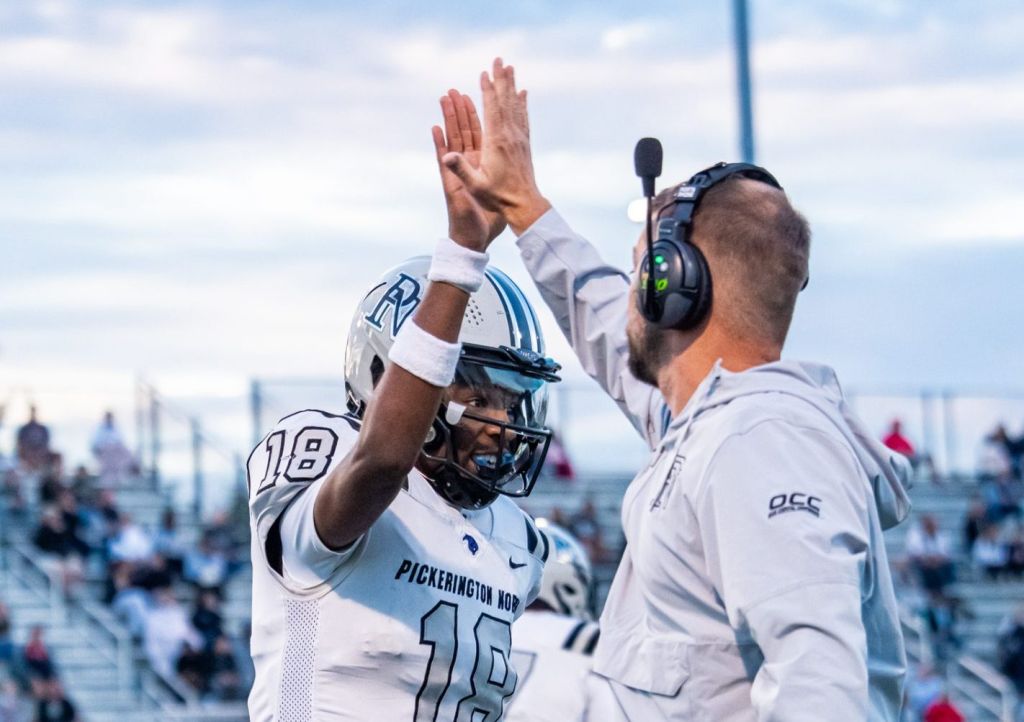
Front Office Sports spoke with around a dozen veteran high school and state athletic administrators across the U.S., who say the job has become far more demanding over the past five years. They link the shift to the arrival of NIL alongside the boom in short-form video. ADs like Ponte Vedra's Mike Harrison now sell videoboard ads, produce hype videos for big games and manage promotion of teams and individual athletes on school social channels.

Families increasingly expect instant, individualized exposure. Sidelines are filling with private content creators hired by athletes, and one Ohio AD said programs without highlight reels posted within an hour of a game are seen as falling behind. To keep up, many schools are recruiting student volunteers interested in tech and journalism to capture and share game content. Actual NIL deals remain rare, but ADs expect compliance work to arrive soon.

For clubs, leagues and brands, this signals a younger generation of athletes arriving already fluent in personal branding and accustomed to rapid content turnaround. Teams can tap this by offering quick highlight delivery, creator-friendly media access and co-branded content with prospects. Sports brands and local sponsors also have an opening to support high school media programs, videoboard inventory and student content crews as an early grassroots activation channel.


Read the original article on Front Office Sports ↗

More Social News

ALL NEWS →
SPORTS MARKETING SponCon Sports

Why sports organizations should align content and partnerships teams to grow sponsorship revenue

In his Sponcon Sports newsletter, consultant Alex Kopilow argues that the most neglected relationship in sports organizations is the one between content and partnerships teams. Drawing on his consulting work and time at the Chicago White Sox, he says sellers often pitch formats content teams cannot deliver, while partnerships staff miss sellable ideas because they never hear what content is planning.

He proposes six changes for 2027: cross-attending each other's weekly meetings, bringing content staff into pitches and discovery sessions, building a shared digital inventory, sharing pitch updates and deal values, educating each other on goals and metrics, and giving the wider marketing department a shared digital sponsorship revenue target with a team bonus, provided audience and content standards are maintained.

SPORTS MARKETING SocialGeek News

Twitch brings back Hosting and tests shoppable ads at TwitchCon

At TwitchCon, Twitch announced that Hosting is returning, with tests starting at the end of the year: an offline channel can show another live stream with shared chat, and 'Host Trains' rotate audiences across chosen channels. Streamers will also be able to invite up to seven viewers into Luna games using their phones as controllers, and a new apprentice moderator role can time out users but not ban them.

On the business side, shoppable ads are in desktop beta for US and Canadian advertisers, letting viewers add products to a cart mid-stream. A skippable ad format enters open beta in December, with international shopping planned for early 2027. Twitch says creators landing sponsorships have quadrupled in a year, while total payouts have doubled.

SPORTS MARKETING Front Office Sports

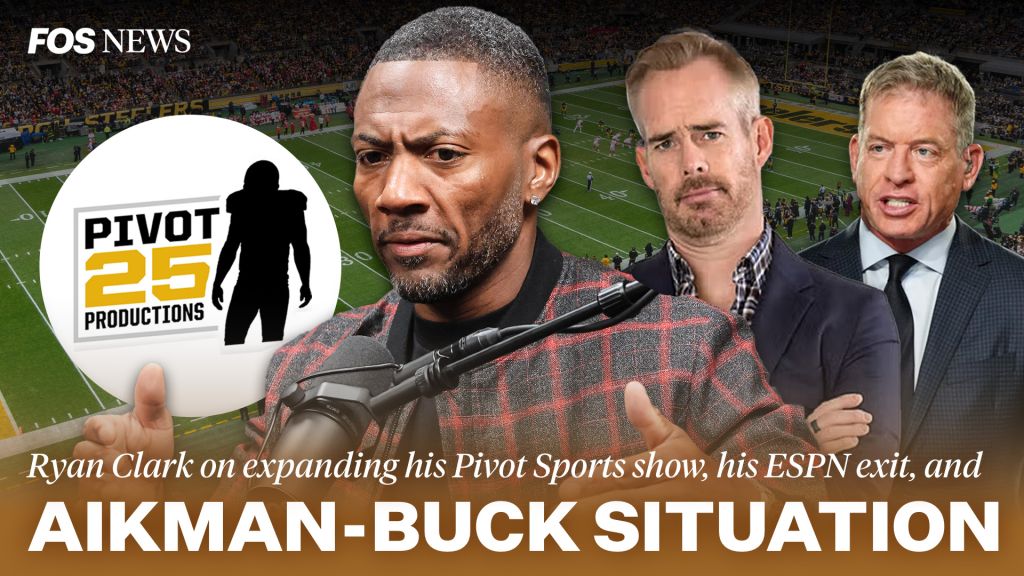
Ryan Clark expands The Pivot to Fridays as athletes build their own media platforms

Former NFL player Ryan Clark, host of The Pivot, sat down with Dan Roberts of Front Office Sports for a video interview. Clark said the show is adding a Friday edition because of audience demand. He also discussed why more athletes are becoming hosts and analysts on their own platforms, how he now feels about leaving ESPN, Patrick Mahomes' standing as the face of the NFL, and the shake-up in the league's top broadcast booth.

For sports social teams, Clark's story shows that former and current athletes can build loyal audiences outside traditional broadcasting, with fan demand strong enough to justify more episodes. Clubs and leagues increasingly compete with, and can partner with, these athlete-led shows for attention, interviews and distribution.