Sports marketing

MLB postseason lifts social engagement per post by 51%, reshaping sponsorship pricing

MLB postseason lifts social engagement per post by 51%, reshaping sponsorship pricing
Picture: SponCon Sports

An analysis by SponCon Sports and Mondo Metrics of 57,239 posts from all 12 MLB postseason clubs found engagements per post rose 51% and views per post 26% versus the regular season. Even after adjusting for teams shifting more content to Instagram and TikTok, engagement still climbed 32%. Facebook showed the largest jump, with engagements up 79%, while World Series clubs averaged a 168% lift compared with 13% for Wild Card exits.

The takeaway for partnership and social teams is that playoff inventory deserves its own pricing, but not a blanket markup. The author recommends each club calculate its own postseason bump by platform and, ideally, by content series, then refresh those benchmarks every year it qualifies, since algorithms and fan behavior shift. Teams without recent playoff data can use the MLB findings as a starting reference.

Timing matters as much as price. Rather than selling after clinching, teams should pitch conditional postseason packages by the All-Star break or build round-by-round kickers into regular-season deals. Pairing results-dependent assets, such as post-win content, with guaranteed deliverables protects revenue. A mic'd-up White Sox pitcher in 2021 shows how early approvals can unlock standout sponsored content.


Read the original article on SponCon Sports ↗

More Social News

ALL NEWS →
SPORTS MARKETING SponCon Sports

Why sports organizations should align content and partnerships teams to grow sponsorship revenue

In his Sponcon Sports newsletter, consultant Alex Kopilow argues that the most neglected relationship in sports organizations is the one between content and partnerships teams. Drawing on his consulting work and time at the Chicago White Sox, he says sellers often pitch formats content teams cannot deliver, while partnerships staff miss sellable ideas because they never hear what content is planning.

He proposes six changes for 2027: cross-attending each other's weekly meetings, bringing content staff into pitches and discovery sessions, building a shared digital inventory, sharing pitch updates and deal values, educating each other on goals and metrics, and giving the wider marketing department a shared digital sponsorship revenue target with a team bonus, provided audience and content standards are maintained.

SPORTS MARKETING SocialGeek News

Twitch brings back Hosting and tests shoppable ads at TwitchCon

At TwitchCon, Twitch announced that Hosting is returning, with tests starting at the end of the year: an offline channel can show another live stream with shared chat, and 'Host Trains' rotate audiences across chosen channels. Streamers will also be able to invite up to seven viewers into Luna games using their phones as controllers, and a new apprentice moderator role can time out users but not ban them.

On the business side, shoppable ads are in desktop beta for US and Canadian advertisers, letting viewers add products to a cart mid-stream. A skippable ad format enters open beta in December, with international shopping planned for early 2027. Twitch says creators landing sponsorships have quadrupled in a year, while total payouts have doubled.

SPORTS MARKETING Front Office Sports

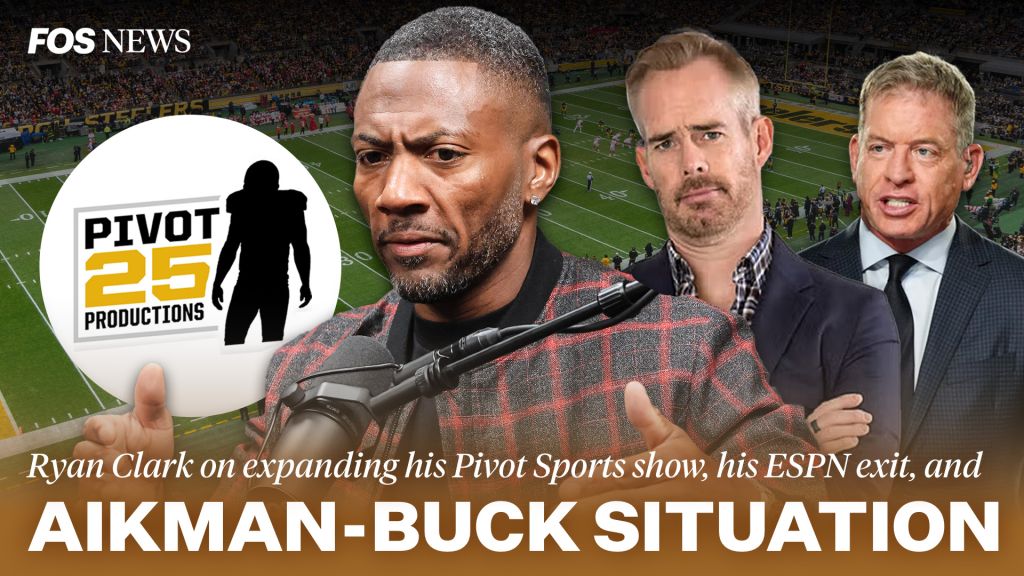
Ryan Clark expands The Pivot to Fridays as athletes build their own media platforms

Former NFL player Ryan Clark, host of The Pivot, sat down with Dan Roberts of Front Office Sports for a video interview. Clark said the show is adding a Friday edition because of audience demand. He also discussed why more athletes are becoming hosts and analysts on their own platforms, how he now feels about leaving ESPN, Patrick Mahomes' standing as the face of the NFL, and the shake-up in the league's top broadcast booth.

For sports social teams, Clark's story shows that former and current athletes can build loyal audiences outside traditional broadcasting, with fan demand strong enough to justify more episodes. Clubs and leagues increasingly compete with, and can partner with, these athlete-led shows for attention, interviews and distribution.