AI

Sports organizations expand AI content production despite growing fan backlash

Sports organizations expand AI content production despite growing fan backlash
Picture: Front Office Sports

A new survey by Front Office Sports and Teamworks of more than 200 sports industry leaders found that 40% of organizations already use AI for content or media production, with another 24% planning to start within a year. Adoption is higher among pro teams (45%) than in college sports (29%), and around nine in ten respondents expect AI use to grow over the next two to three years.

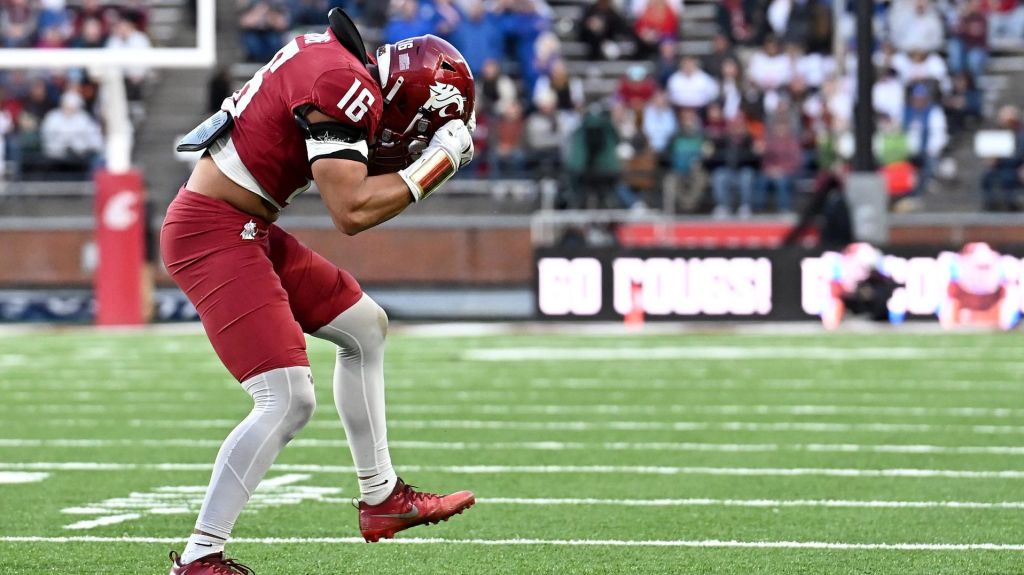
The push comes amid visible fan resistance. Caitlin Clark criticized the Indiana Fever for an AI-altered Instagram image, Washington State faced criticism over an AI web-content deal with FanWord, and AI graphics at Dodger Stadium and Citi Field drew complaints. Meanwhile, the New Orleans Saints and St. Louis Blues publicly promised their graphics are made by people, not AI.

For social teams, the lesson is to use AI where fans won't notice or mind, such as analysis, planning and audience insights, while keeping fan-facing visuals human-made and carefully checked. Some clubs are even turning a no-AI stance into a brand message. Any AI-assisted asset needs a strict quality review, since a single distorted image of a star player can become the story.

Read the original article on Front Office Sports ↗

More Social News

ALL NEWS →
AI SponCon Sports

How Barcelona, Liverpool and PSG Turn Google Gemini Deals Into Useful Fan Content

FC Barcelona is running a pre-match Instagram Story series sponsored by Google Gemini. A four-frame sequence opens with a mock Gemini prompt asking for facts about the next opponent, followed by three frames of answers paired with player imagery. The series is part of the Gemini and Pixel partnerships Google announced in August with Barcelona, PSG, Arsenal, Liverpool and Bayern Munich. A SponCon Sports analysis praises it for showing a practical way to use the product rather than simply displaying AI output.

The analysis also notes limits. The slides are text-heavy, and PSG's similar feed carousels averaged 30.8K engagements across three posts reviewed, modest for a club with more than 60M followers. Other activations have done more. Liverpool used Gemini to introduce new signing Bradley Barcola and to quiz fans, and recalled a win over Brentford with linked YouTube clips. Barcelona's October fixture preview passed 482K likes, and its players now ask Gemini a question during YouTube membership Q&As.

INSTAGRAM Social Media Today

Meta's Edits app adds Halloween effects, beat-synced animations and bulk caption editing

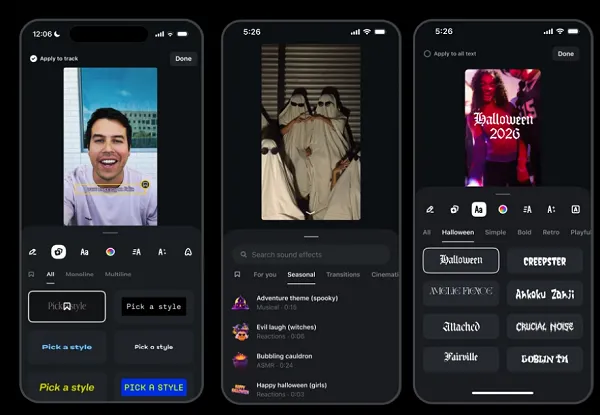
Meta has rolled out a new batch of updates to Edits, its video editing app tied to Instagram. The release includes Halloween-themed fonts, sound effects and animations, 13 new text animations, and beat-synced effects such as flashing lights and zooms that automatically match a clip's music. Caption tools gain extra styles and bulk editing, while new automated color correction and per-clip volume boosts up to 150% round out the update.

Edits' carousel editor, launched on iOS earlier this month, is now also available on Android, and a new filter was created with Nigerian musician Arya Starr. Meta says a desktop version is coming soon, which would move the app closer to being a full production studio rather than a quick mobile editor.

YOUTUBE Social Media Today

YouTube adds members-only microdrama episodes as format passes 6.5 billion views

YouTube is putting more weight behind microdramas after the short serialized format topped 6.5 billion views in the first half of 2026, up more than 50% year over year. The platform is revamping members-only episodes on mobile so viewers can join a channel membership and keep watching without leaving the content, building on its recent Shorts Series feature that groups Shorts into seasons and episodes.

YouTube also highlighted auto-translation, multi-language audio and AI-generated local subtitles as tools for reaching new markets without dubbing costs, and noted that 40% of views come more than 30 days after release. Its tips for success include emotional hooks in the first 15 seconds, vertical-first framing, frequent publishing, everyday story arcs and interactive plots shaped by audience feedback.