Sports marketing

Women's sports bars push back on WNBA's 12:30 p.m. Finals Game 6 tip-off

Women's sports bars push back on WNBA's 12:30 p.m. Finals Game 6 tip-off
Picture: Front Office Sports

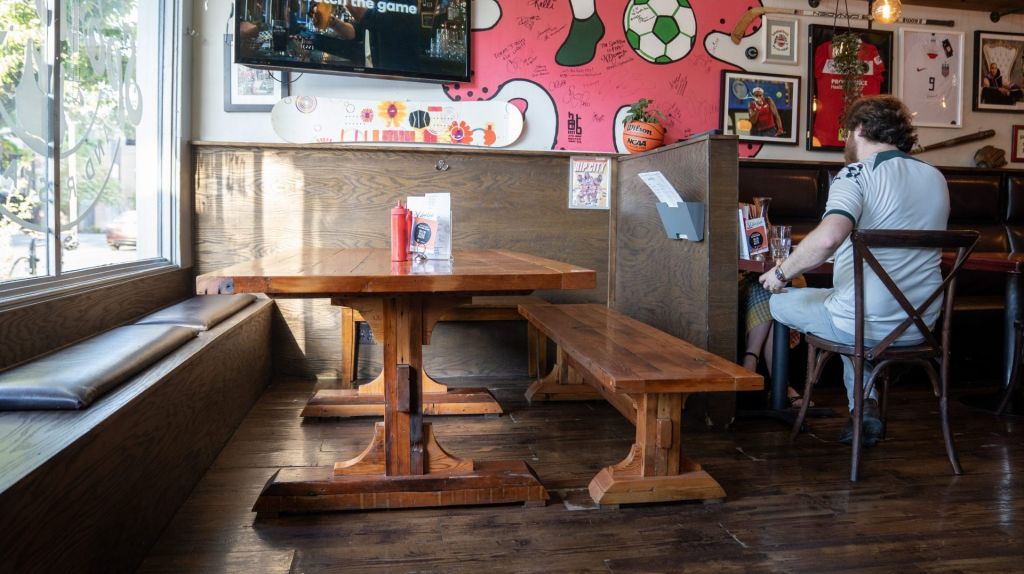
The WNBA moved Game 6 of its Finals from 8 p.m. to 12:30 p.m. ET on a Thursday so the Atlanta Dream could play at the 17,000-seat State Farm Arena instead of the 3,500-seat Gateway Center. With Golden State up 3-2, a potential title clincher now starts at 9:30 a.m. in San Francisco. Owners of women's sports bars in Chicago, Brooklyn, Portland and Seattle told Front Office Sports the slot hurts fans and their revenue.

Several owners voiced frustration publicly, starting with an Instagram post from Level Sporting Club's founder. The Sports Bra's founder warned that weaker viewing numbers could be misread as proof the audience is missing. Seattle's Rough & Tumble said it may not open, risking roughly $10,000 to $15,000 per Finals night. Level Sporting Club chose to open anyway, promoting the game on social as a remote-work gathering, a first weekday morning opening for the bar.

For sports social teams, this shows how kickoff times shape fan sentiment and partner businesses. When games land in work hours, clubs and leagues can lean into mobile-first coverage: live clip drops, short recaps, vertical highlights and second-screen prompts for fans stuck at their desks. Teams can also amplify fan bars and watch-party venues, co-creating creative angles like the 'work from the bar' idea, and should listen to and acknowledge fan feedback rather than stay silent.
Read the original article on Front Office Sports ↗

More Social News

ALL NEWS →
SPORTS MARKETING Front Office Sports

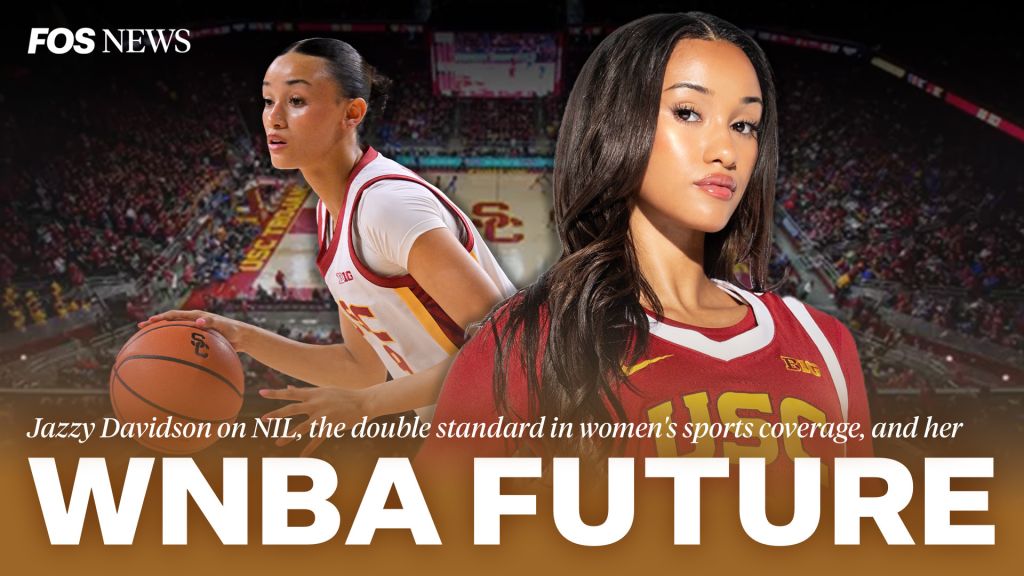
USC's Jazzy Davidson discusses Venmo NIL campaign and building her personal brand

USC women's basketball standout Jazzy Davidson sat down with Front Office Sports for a video interview covering her partnership with Venmo on its Money Moves campaign and her own habits around managing NIL income. She also talked about her approach to personal branding, being a role model for young fans, playing alongside JuJu Watkins, her pro options across the WNBA, Unrivaled and Project B, and uneven media coverage of women's sports.

For sports social teams, the interview shows how brands are pairing college athletes with practical, values-driven messaging like financial literacy rather than simple product plugs. Athletes who position themselves as role models for kids give sponsors a credible, family-friendly voice, and that kind of story travels well in short video, Q&A and carousel formats.

SPORTS MARKETING Front Office Sports

Chinese sponsors drop Mbappé after resurfaced Mao 'dictator' meme comment

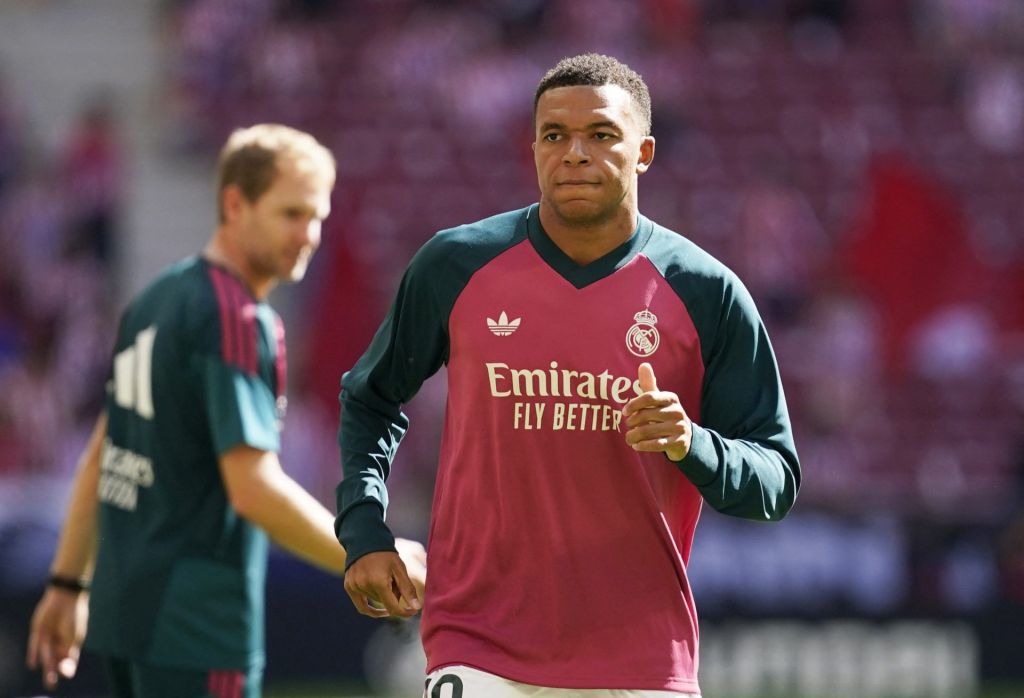
Kylian Mbappé has apologized after an old clip resurfaced online in which, asked on French show The Bridge about his favorite meme of himself, he described a face-swap with Mao Zedong as showing a Chinese dictator. Beverage brand Dongpeng, dairy company Mengniu and cheese maker Milkground ended their sponsorship deals, while Chinese state TV pulled LaLiga broadcasts and Mbappé ads. LaLiga president Javier Tebas posted an apology to China on X.

For sports social teams, the episode shows how a light-hearted podcast or show moment can resurface and trigger commercial fallout across markets. It echoes the NBA's 2019 Hong Kong tweet crisis and Brighton's apology over a social post last year. Clubs and athletes with Asian partners face real sponsorship and broadcast risk from content that feels harmless in a home market.

SPORTS MARKETING Social Media Today

Pew survey: 58% of US adults now rely on social media for news

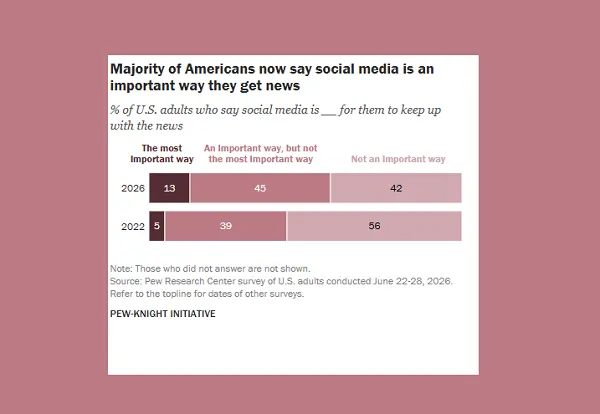
A Pew Research report released on Oct. 23, based on a June survey of more than 3,500 US adults, found that 58% consider social media an important way to follow current events. Another 13% name social apps as their single most important source of information. In Pew's 2022 edition of the same study, those figures were 43% and 5%.

For sports social teams, this confirms that club and league accounts increasingly act as primary newsrooms rather than secondary channels. Many fans will first hear about signings, injuries, lineups or ticket news in their feeds, not on a website or through traditional media. Official accounts should prioritize speed, accuracy and clear, native-format announcements so they become the trusted first source.